Trump threatens 100% tariffs on nations imposing digital services taxes
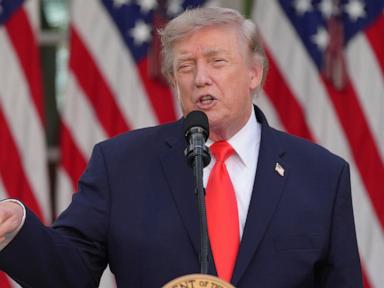
President Donald Trump on Friday announced he would impose a 100 percent tariff on imports from any country that implements a digital services tax on American companies. The threat, delivered via social media, targeted European nations he said were discussing "imminent" implementation of such taxes. Digital services taxes have emerged as a point of friction between the US and several countries, particularly in Europe. The United Kingdom's digital services tax applies to firms with global digital revenues exceeding £500 million, where over £25 million of that income is generated from British users. Similar taxes have been considered or adopted by other European nations. Trump's threatened response represents a significant escalation in trade tensions. According to multiple sources, the president indicated he would impose the tariffs even if doing so meant canceling existing trade agreements. The timing coincides with recent ratification of trade pacts between the US and European nations, suggesting the threat could undermine those newly formalized arrangements. The dispute reflects broader disagreement over how to tax multinational technology companies. European countries view digital services taxes as a mechanism to ensure tech firms contribute fairly to national revenues, while the US administration frames such measures as discriminatory actions against American business interests. Trump's tariff threat represents the administration's preferred tool for pressuring countries to reconsider or abandon these tax policies.
What both sides accept
- Digital services taxes specifically target large US-based tech firms
- Trump's threat involves 100% tariffs as the primary enforcement mechanism
- The dispute coincides with and potentially jeopardizes recently ratified trade agreements
- Tension between the US and Europe over taxing multinationals is longstanding
Where they diverge
- Whether digital services taxes are legitimate fiscal policy or discriminatory trade barriers
- Whether 100% tariff threats constitute sound statecraft or destructive economic coercion
- Whether protecting US tech companies from foreign taxes serves broad American interests or narrow corporate ones
- Whether the threat's coercive track record, e.g. Canada's DST reversal, justifies the approach
More fault lines

Manhattan high-rise evacuated after structural columns buckle during renovation

Apple Raises Mac and iPad Prices Citing Memory Chip Shortage
 Split
SplitTwelve states file lawsuit to block Paramount-Warner Bros. Discovery merger

Microsoft cuts 4,800 jobs as Xbox division faces major restructuring
 Split
SplitUS Declines to Renew USMCA, Triggering Decade-Long Review Process