Federal Judge Quashes DOJ Subpoenas of Minnesota Officials in Immigration Probe
U.S. District Judge Patrick Schiltz ruled on June 22 that the Trump administration's Department of Justice improperly issued grand jury subpoenas targeting Minnesota Governor Tim Walz, Minneapolis Mayor Jacob Frey, and other state officials. The subpoenas sought records related to the officials' cooperation—or lack thereof—with federal immigration enforcement actions. In a 29-page opinion, the judge determined the subpoenas were issued for what he characterized as unlawful purposes. Multiple sources indicate Schiltz found the subpoenas designed to coerce compliance with immigration enforcement or to punish officials for their positions on the matter. The judge stated there was insufficient evidence of criminal wrongdoing to justify the compulsory process. The investigation examined whether Democratic officials' resistance to immigration enforcement constituted criminal activity. Schiltz ruled the subpoenas violated constitutional limits on prosecutorial power, effectively halting this line of inquiry. The decision represents a significant legal setback for the administration's enforcement agenda against states perceived as obstructing immigration operations. One source notes the judge donated to immigrant legal aid organizations, though this detail alone does not appear in most accounts of the ruling.
What both sides accept
- Judge Schiltz issued a 29-page ruling quashing the grand jury subpoenas
- The subpoenas targeted Governor Walz, Mayor Frey, and other Minnesota officials
- The investigation concerned the officials' cooperation with federal immigration enforcement
- The judge concluded the subpoenas' dominant purpose was not to uncover criminal wrongdoing
Where they diverge
- Whether the DOJ had a legitimate legal basis to investigate officials' resistance to immigration enforcement
- Whether the judge's prior donations to an immigrant legal aid group constitute a meaningful conflict of interest
- Whether blocking the subpoenas protects constitutional federalism or obstructs lawful federal enforcement
- Whether the ruling represents appropriate judicial oversight or judicial interference with executive immigration authority
More fault lines
 Split
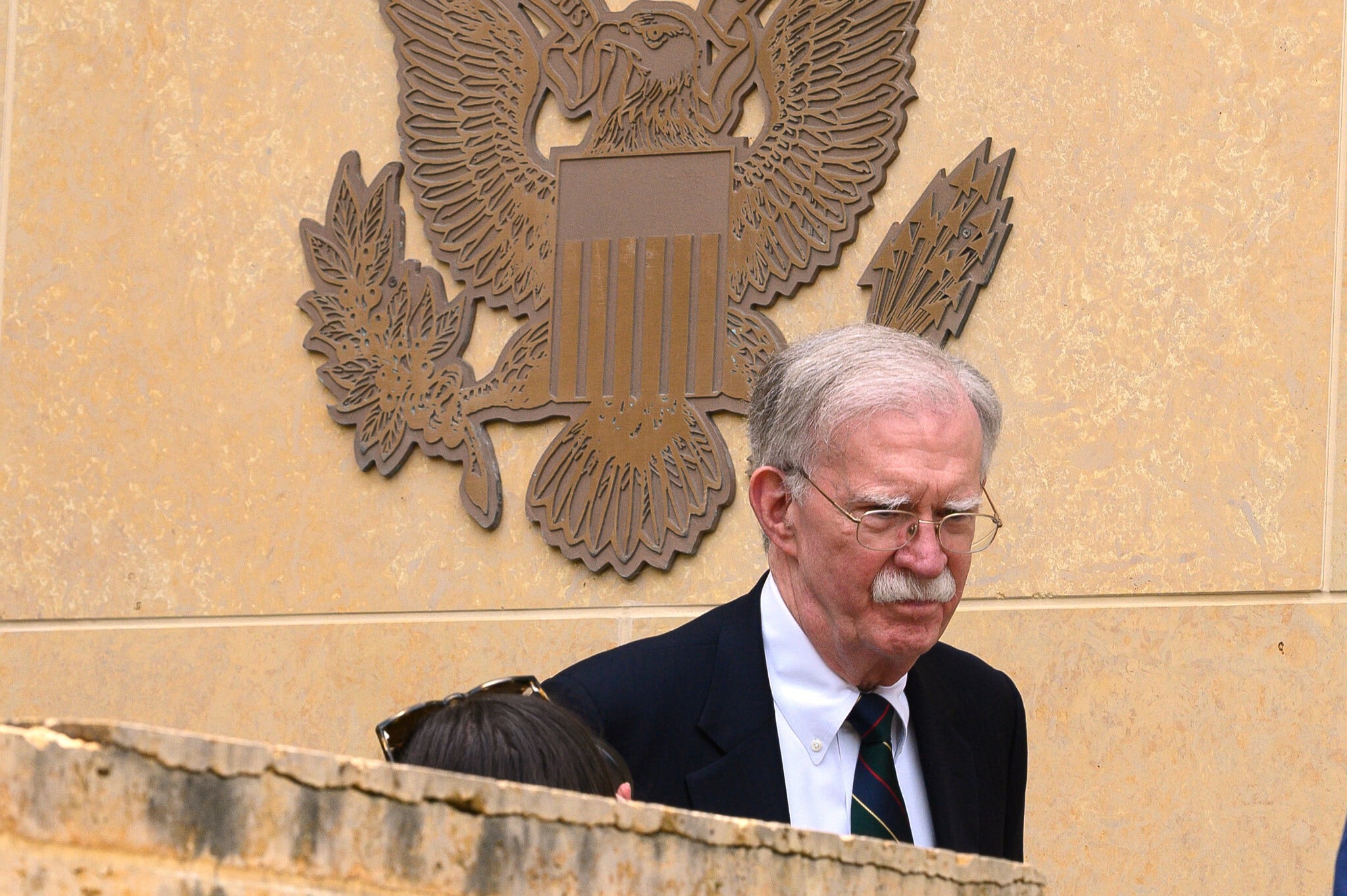
SplitJohn Bolton pleads guilty to retaining classified information

US Senator Lindsey Graham Dies at 71 After Sudden Illness
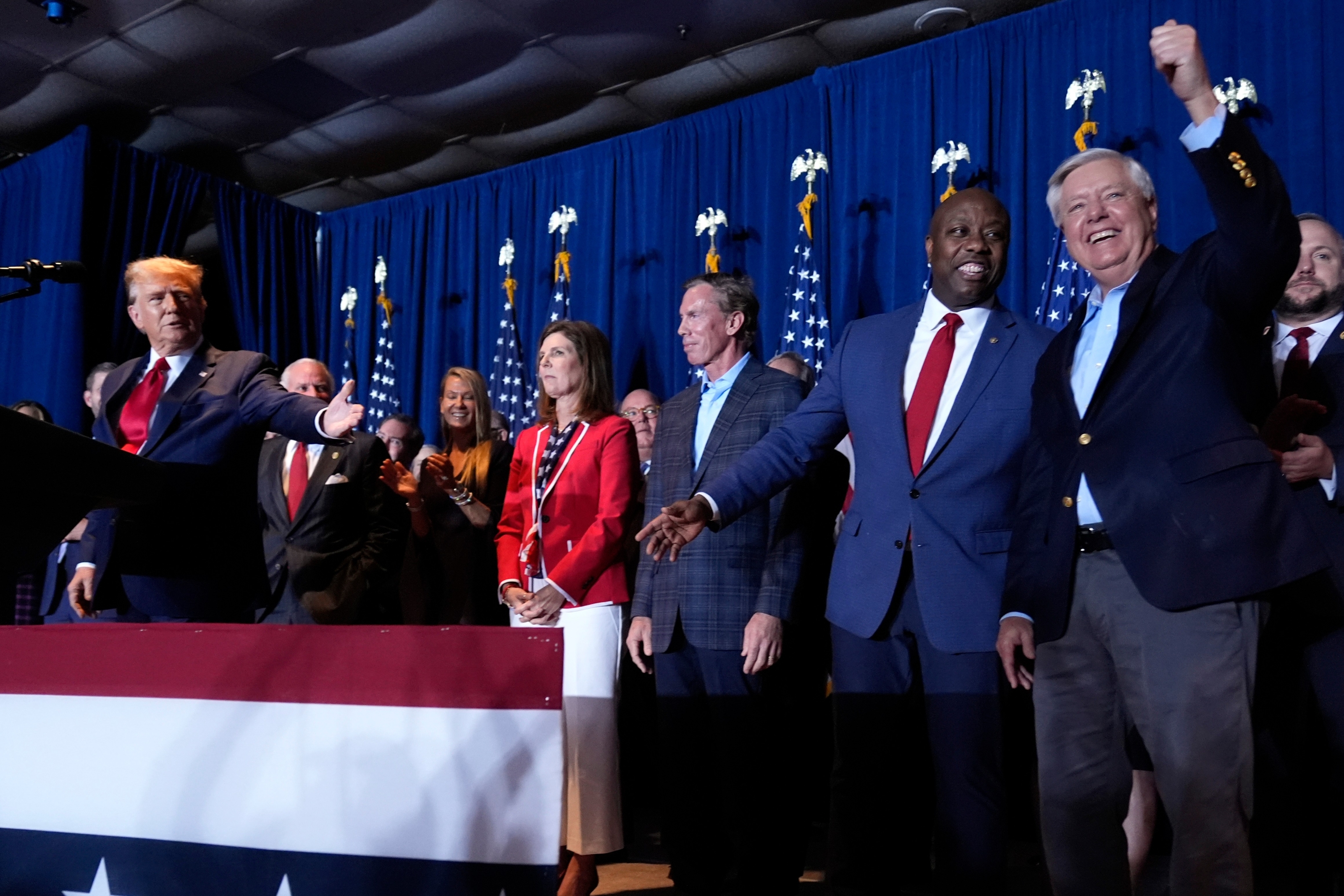
Graham's Sister Appointed to Fill Senate Seat After Senator's Death
 Split
SplitMaine Democrat Platner withdraws from Senate race, party seeks replacement
 Split
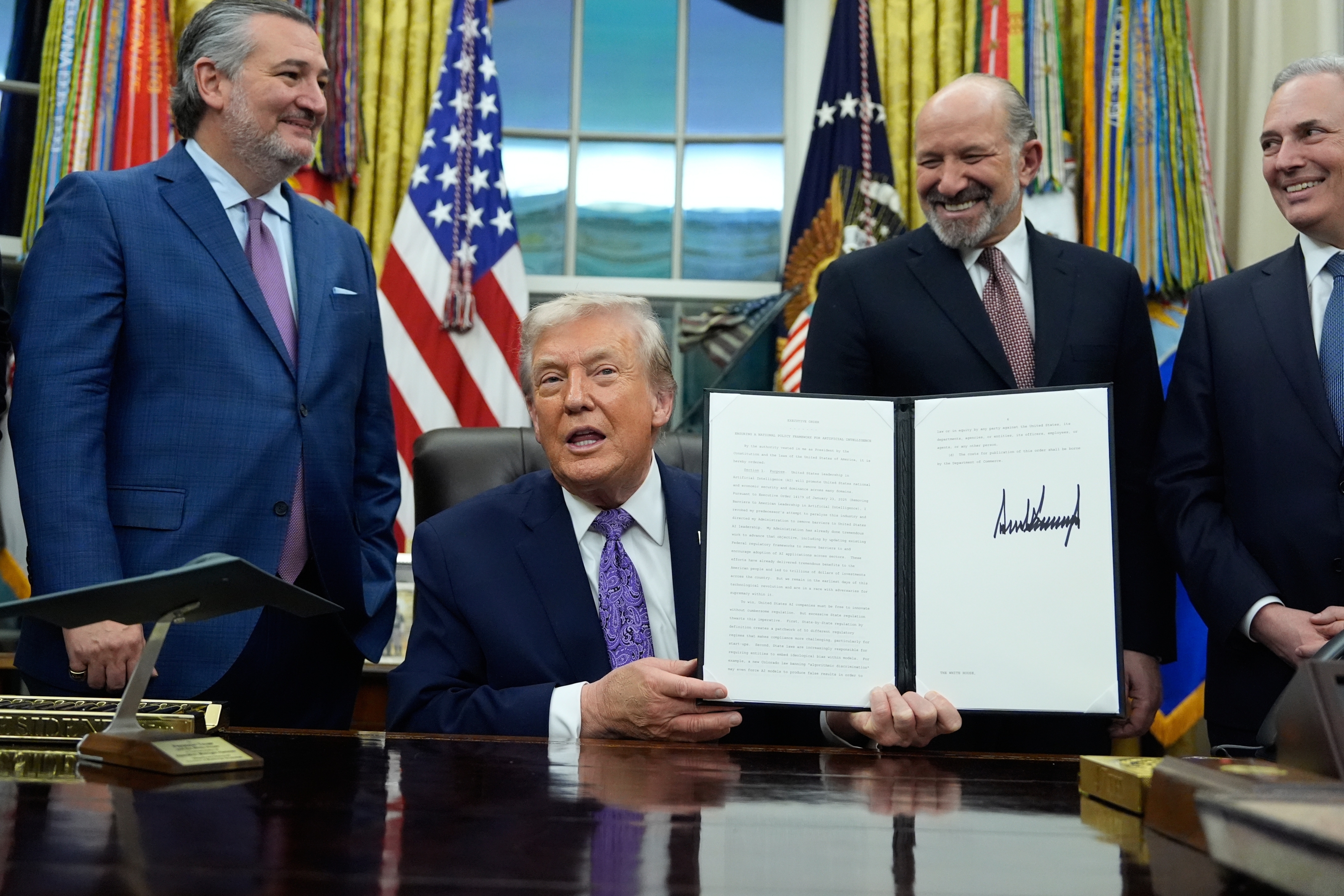
SplitTrump's 2025 Financial Disclosure Reveals $1.2B+ Crypto Income