NASA launches $30M robotic mission to rescue aging Swift telescope from Earth
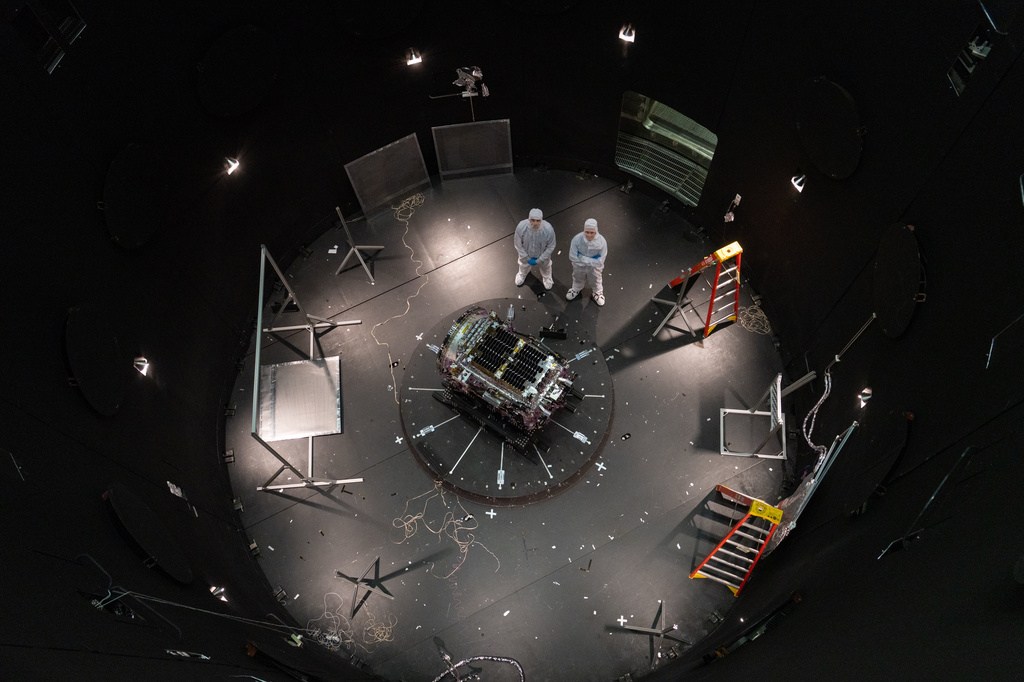
NASA is executing an unprecedented robotic rescue mission to prevent the Neil Gehrels Swift Observatory from falling back to Earth. The spacecraft, launched in 2004, has been gradually losing altitude and faces atmospheric reentry without intervention. The mission, budgeted at $30 million, aims to deploy a robotic spacecraft that will rendezvous with Swift in orbit and boost it to a higher, stable trajectory. The launch was scheduled for late June 2026, with weather delays pushing the initial attempt. The operation represents a first-of-its-kind salvage effort in orbital mechanics, designed to extend the operational life of an aging but scientifically valuable instrument. Swift was designed to observe some of the universe's most energetic explosive events, including gamma-ray bursts and other high-energy phenomena. The 22-year-old telescope has provided years of scientific data despite approaching the end of its originally planned operational window. Rather than allow the satellite to break apart during uncontrolled atmospheric reentry, NASA selected the orbital boost approach as a way to preserve the instrument and potentially enable continued observations. The robotic rescue represents a growing capability in satellite servicing and orbital operations, opening possibilities for future maintenance of aging space infrastructure.
More fault lines
 Split
SplitTrump Administration Lifts Export Controls on Anthropic's Advanced AI Models

China Successfully Recovers Orbital Rocket Booster in First Reusable Launch Test
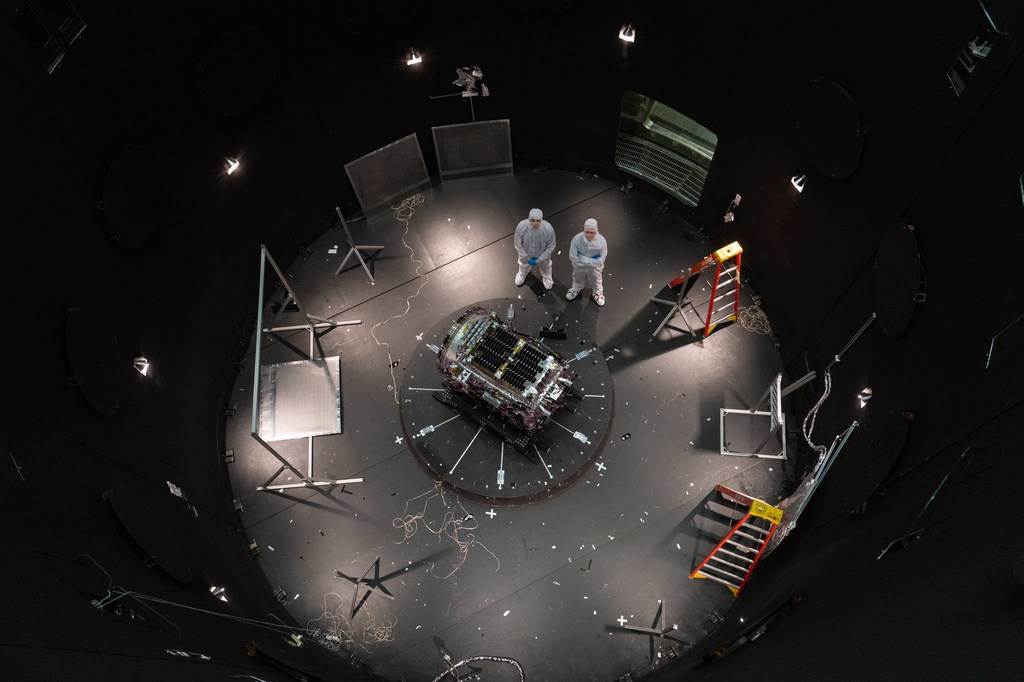
NASA Launches Robotic Rescue Mission for Swift Space Telescope
 Split
SplitChina's LineShine Regains Top Supercomputer Ranking for First Time Since 2017
 Split
SplitJohn Bolton pleads guilty to retaining classified information
 Split
Split