US and Iran exchange military strikes as control of Strait of Hormuz escalates
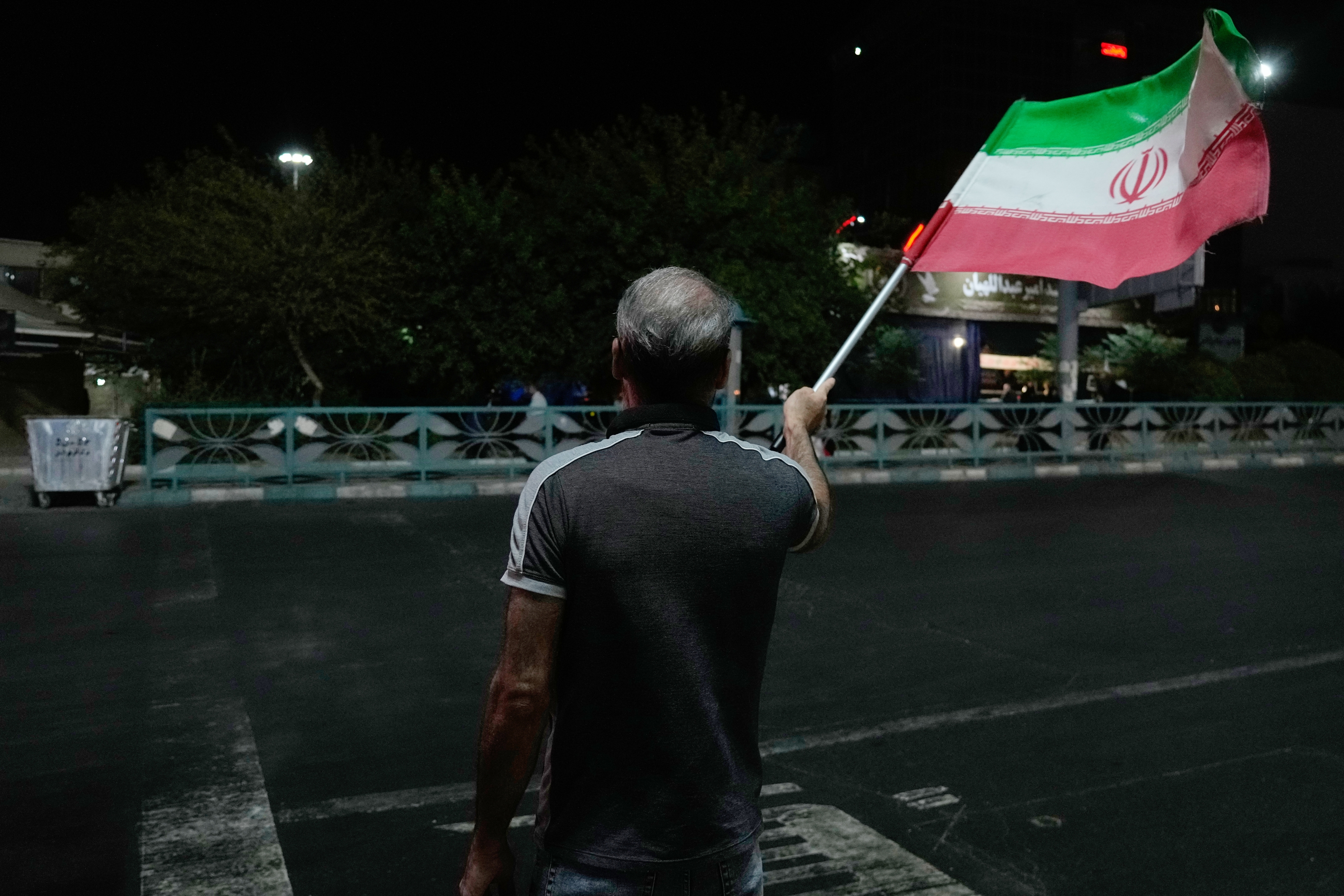
The United States and Iran engaged in a sustained cycle of military strikes over multiple days as tensions over control of the Strait of Hormuz intensified. President Donald Trump announced the reinstatement of a US blockade on Iranian shipping and proposed imposing a 20 percent fee on vessels transiting the strategic waterway. US Central Command launched strikes against Iranian targets across three consecutive nights at Trump's direction, citing the need to degrade Iran's capability to attack civilian vessels. Iran responded with retaliatory attacks on commercial shipping and US military interests in the Gulf. According to multiple sources, Iranian missiles struck at least two UAE-flagged oil tankers, the Mombasa and Al Bahiyah, causing both vessels to catch fire. The UAE Defense Ministry reported one mariner killed and at least eight wounded in the tanker attacks. Iran's Islamic Revolutionary Guard Corps declared the Strait of Hormuz closed and warned vessels against using unapproved routes through the waterway. The escalation marked a breakdown of a previously fragile ceasefire between the two nations. Iran stated that US strikes had rendered ongoing diplomatic efforts futile, signaling a hardening of positions on both sides. The repeated exchanges of military action raised concerns about the security of global shipping through one of the world's most critical petroleum transport corridors, with commercial vessels caught between the competing military operations.
What both sides accept
- Iranian missiles struck and set fire to the Mombasa and Al Bahiyah tankers, killing one mariner and wounding eight
- US Central Command conducted strikes against Iranian targets on three consecutive nights
- Iran's IRGC declared the Strait of Hormuz closed and warned vessels against unapproved routes
- A prior ceasefire broke down as military exchanges intensified
Where they diverge
- Whether US strikes are framed as initiating escalation or responding to Iranian provocation
- Whether the US blockade and transit fee are framed as destabilizing coercion or legitimate strategic leverage
- Whether Iranian statements about diplomacy becoming 'futile' are treated as a meaningful diplomatic signal or deflection
- Whether the narrative sequences US action or Iranian aggression as the primary driver of the crisis
More fault lines
 Split
SplitUS and Iran agree to halt strikes after tit-for-tat attacks test ceasefire
 Split
SplitUS and Iran announce peace framework; formal signing scheduled for Friday

Oil markets volatile as U.S.-Iran ceasefire collapse triggers tanker attacks
 Split
SplitUS and Iran Exchange Strikes Over Strait of Hormuz Amid Failed Diplomacy
 Split
SplitUS and Iran Begin Nuclear Talks in Switzerland Under New Framework