US and Iran agree to halt strikes after tit-for-tat attacks test ceasefire
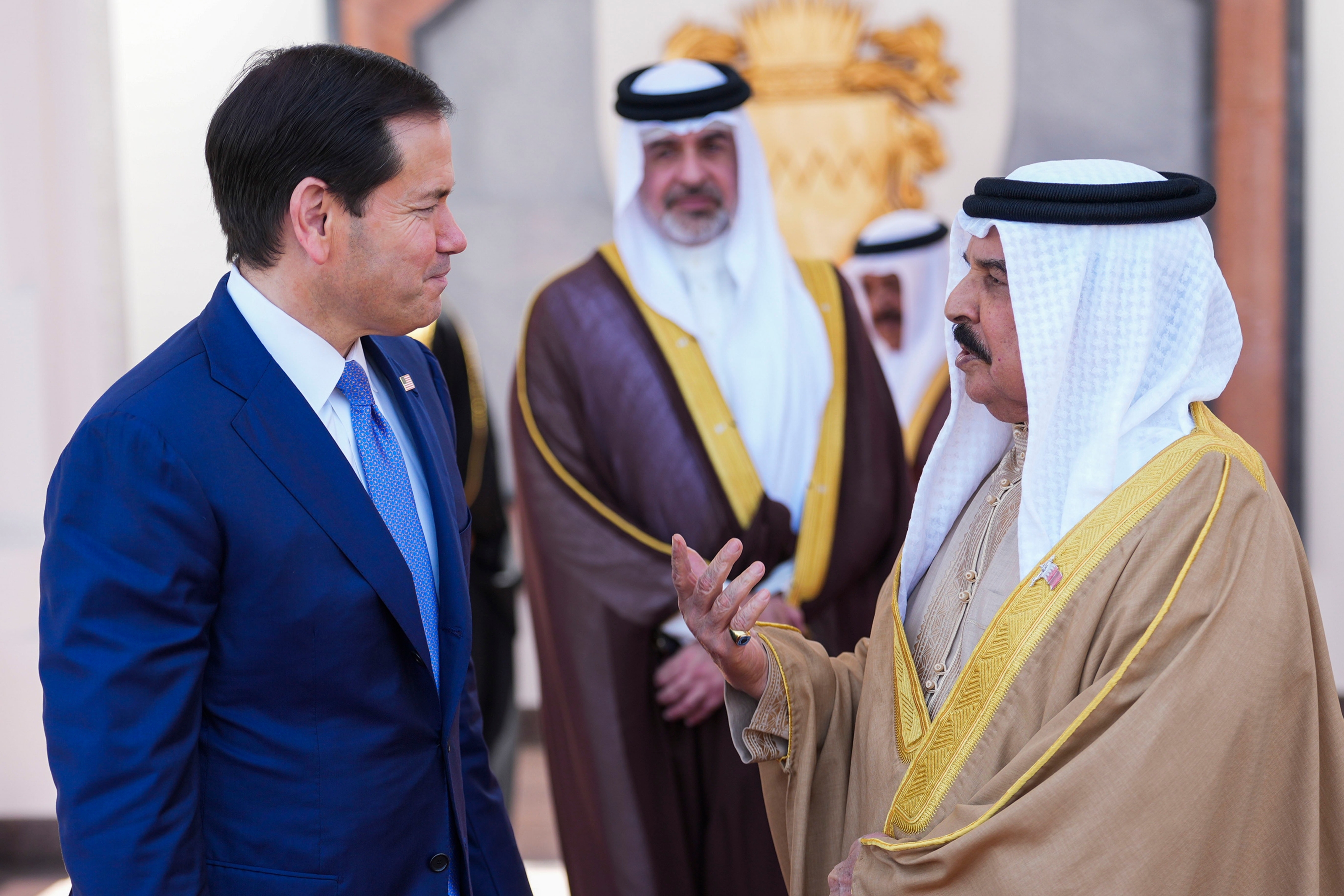
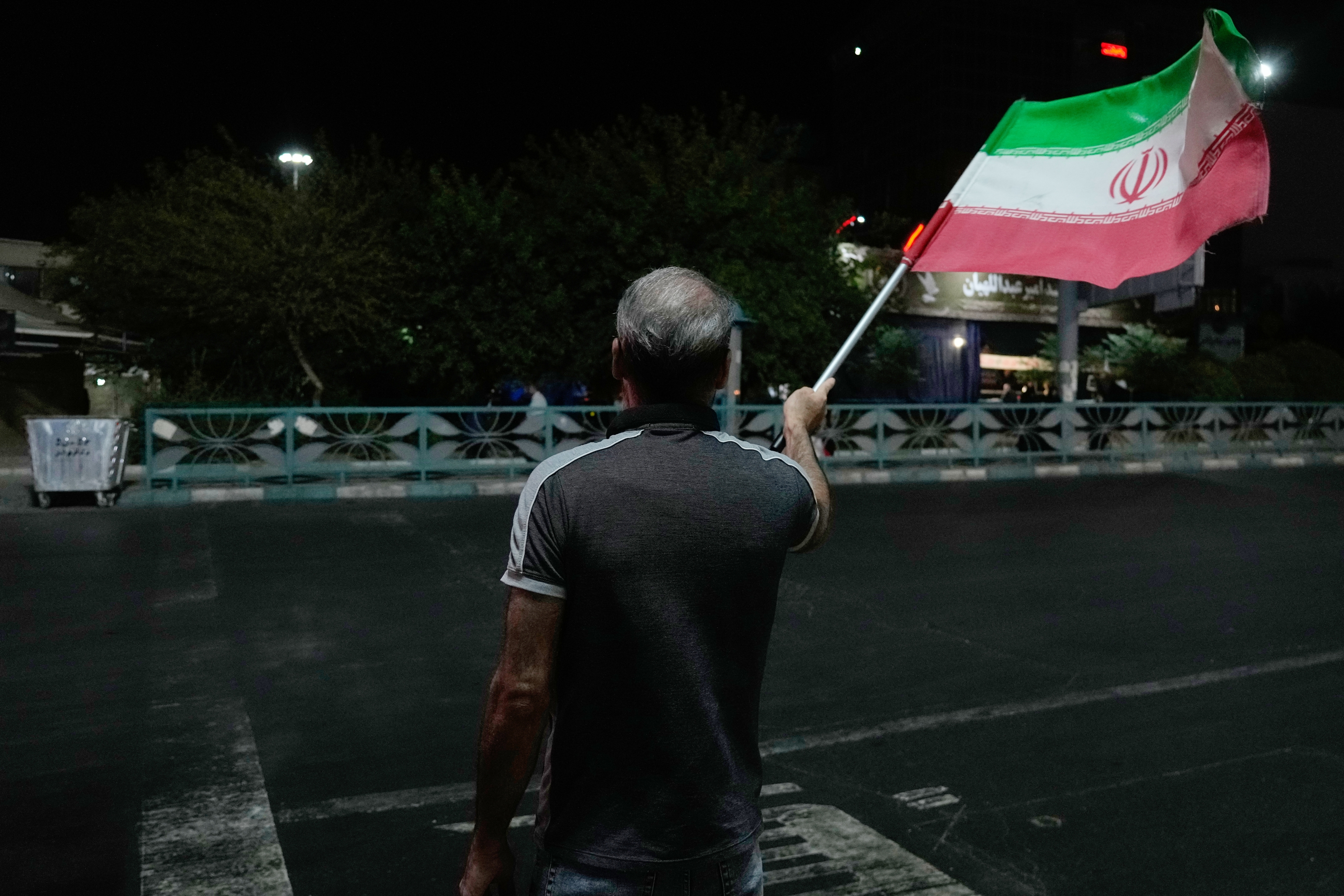
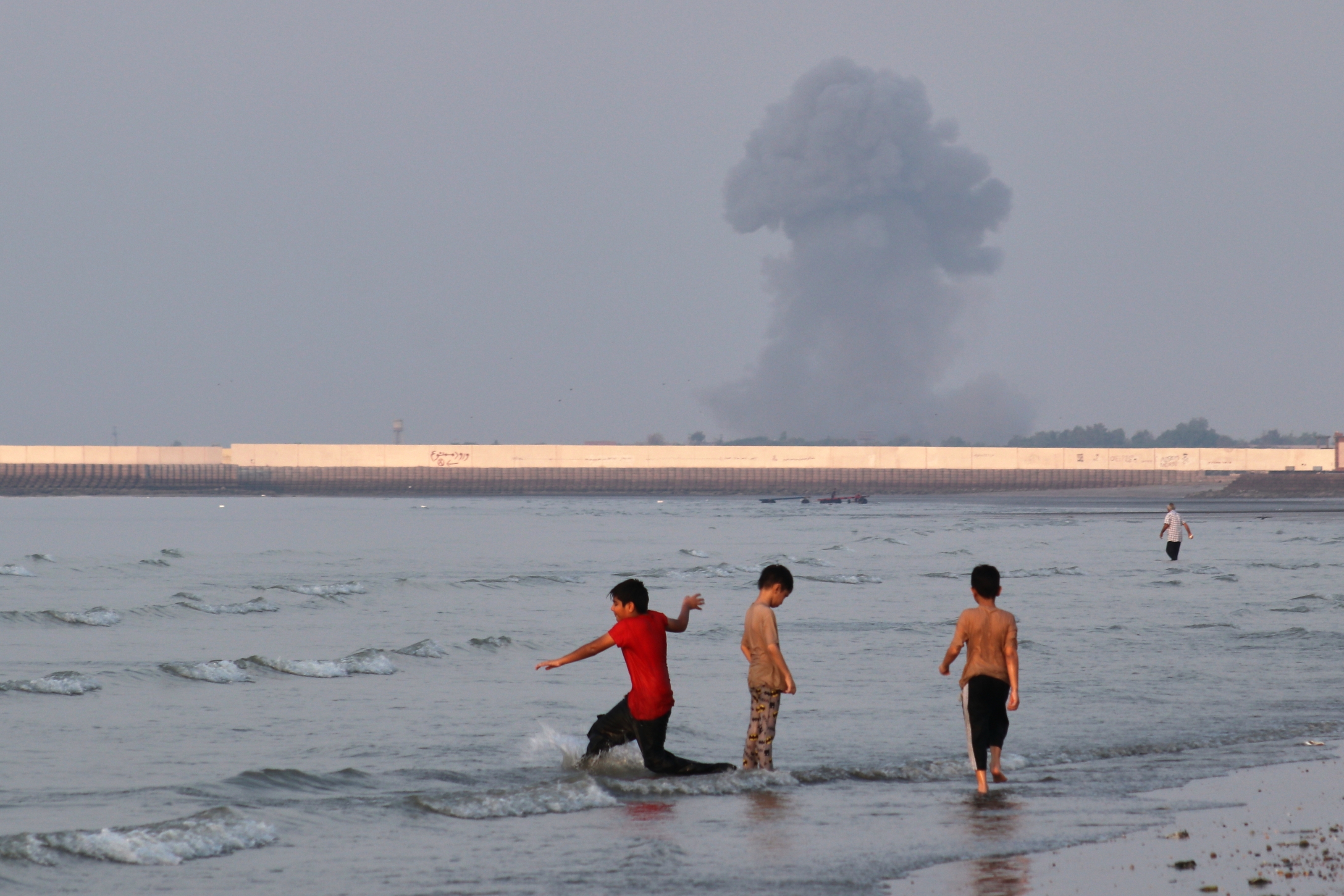
Tensions between the United States and Iran escalated over the weekend as both sides conducted military strikes, testing a ceasefire agreement reached earlier in June. Iran launched missiles and drones at Bahrain and Kuwait, both home to US military bases, following American strikes on Iranian targets. Kuwait's military reported intercepting Iranian drones and ballistic missiles, while strikes in Bahrain caused structural damage to a building. The exchange marks the third consecutive day of retaliatory strikes between the two nations. Both sides have accused each other of violating the truce, with Iran threatening a "complete halt" to ongoing peace negotiations. The attacks focused on the Strait of Hormuz region, with Iran citing concerns about US oversight of shipping lanes in that critical waterway. Despite the weekend hostilities, US and Iranian officials announced plans to resume talks. According to multiple reports, the two sides have agreed to pause strikes and hold negotiations scheduled for Tuesday in Doha, Qatar, to discuss the Strait of Hormuz and resolve their dispute. Regional mediators have established de-escalation channels ahead of the meeting. US officials stated the country would "stand down for now," signaling both sides remain committed to diplomatic discussions despite the recent military clashes.
What both sides accept
- Both sides acknowledge Iran launched missiles and drones at Bahrain and Kuwait following US strikes
- Both recognize the ceasefire reached in June is under serious strain after three days of exchanges
- Both report that US and Iranian officials have agreed to pause strikes and meet in Doha on Tuesday
- Both note Iran threatened a complete halt to peace negotiations
Where they diverge
- Whether US rhetoric and actions or Iranian aggression bears primary responsibility for the escalation
- Whether the ceasefire framework was structurally flawed versus broken by Iranian bad faith
- Whether Iran's Strait of Hormuz gambit reflects rational leverage-seeking or reckless provocation
- Whether the Qatar talks represent a firm US diplomatic win or a tenuous pause on shaky ground
More fault lines
 Split
SplitUS and Iran exchange military strikes as control of Strait of Hormuz escalates
 Split
SplitUS and Iran announce peace framework; formal signing scheduled for Friday

Oil markets volatile as U.S.-Iran ceasefire collapse triggers tanker attacks
 Split
SplitUS and Iran Exchange Strikes Over Strait of Hormuz Amid Failed Diplomacy
 Split
SplitUS and Iran Begin Nuclear Talks in Switzerland Under New Framework