worldSplitJul 8, 2026
US and Iran Exchange Strikes Over Strait of Hormuz Amid Failed Diplomacy
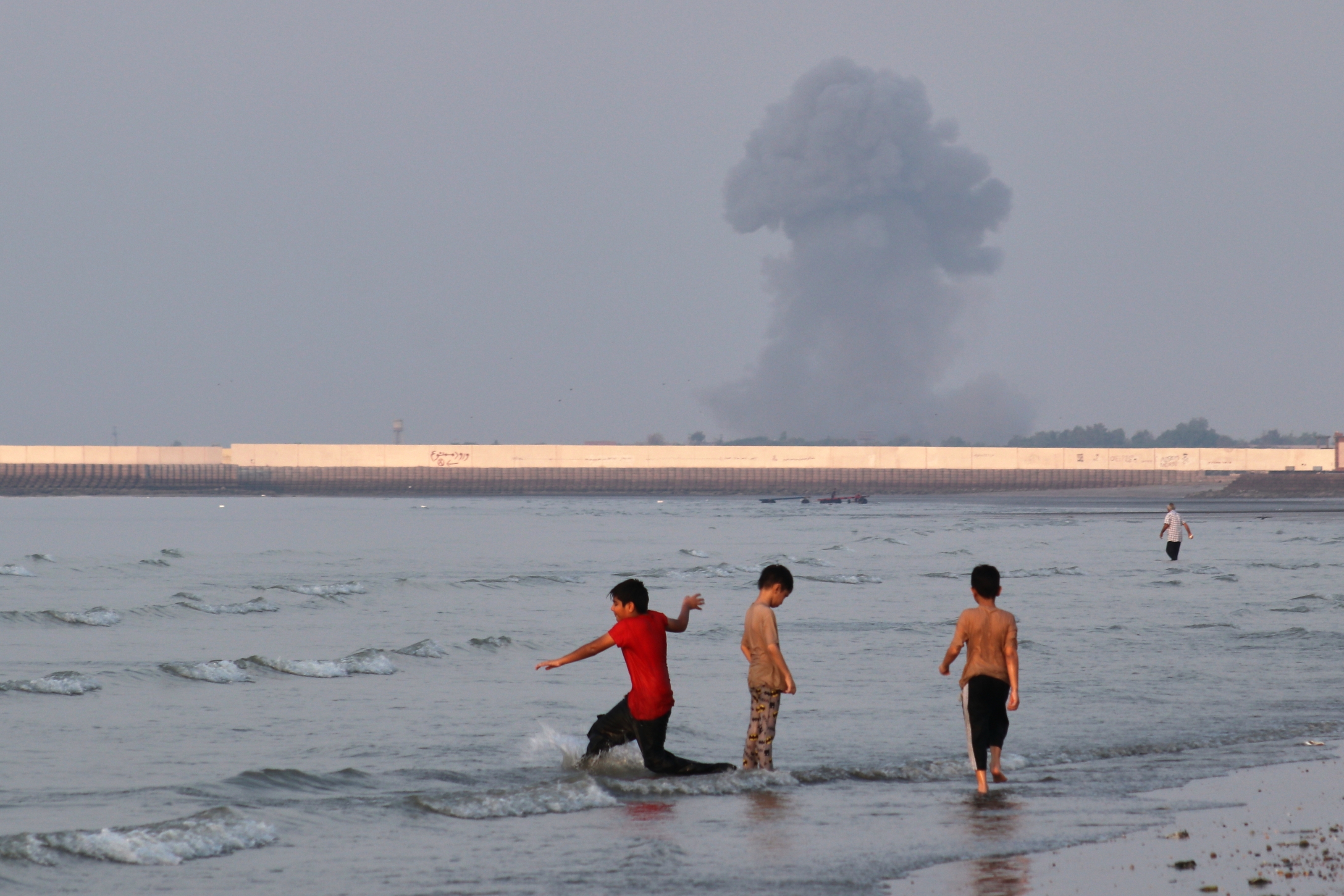
US and Iran exchanged strikes for fifth consecutive day. Attacks targeted Strait of Hormuz and surrounding Gulf islands. US struck air defense, radar, missiles; Iran hit US facilities. Bahrain activated missile alert siren three times. Interim US-Iran agreement aimed at war's end has collapsed.
Across the spectrum
How each side frames it — whose side are you on?
The Left
Left-leaning outlets emphasize the escalatory nature of US strikes, noting expansion to civilian-adjacent infrastructure and flagging Trump's threats to target power plants and bridges as alarming escalation. They foreground the UN's catastrophic-war warning and highlight Iranian civilian exposure. The framing positions Washington as the actor with the greater capacity—and therefore responsibility—to de-escalate, and treats Iran's 'diplomacy is futile' statement as a response to American intransigence rather than pure aggression.
— fair
The Right
Right-leaning outlets frame US strikes as precise, defensive operations to deny Iran the ability to threaten international shipping through the Strait of Hormuz. They stress CENTCOM's operational clarity—targeting air defense, radar, and missile infrastructure—and Iran's retaliatory strikes on Gulf allies as proof Tehran is the destabilizing actor. The framing positions American military action as necessary enforcement of freedom of navigation and protection of regional partners, with Iran's retaliation confirming the threat that justified strikes in the first place.
— fair
What both sides accept
- Both sides acknowledge five consecutive days of mutual strikes with no de-escalation
- Both report Iran targeting US facilities in Bahrain and Kuwait and the US striking Iranian sites
- Both recognize the breakdown of the interim diplomatic agreement
- Both note the Strait of Hormuz is the central strategic flashpoint
Where they diverge
- Whether US strikes are measured and defensive or dangerously escalatory in scope
- Whether Iran or the US bears primary responsibility for the diplomatic breakdown
- Whether Trump's threats of further strikes signal resolve or reckless brinksmanship
- Whether framing the conflict as 'freedom of navigation' vs. 'military aggression' more accurately characterizes US intent
Divergence 72/100
More fault lines
 Split
Splitworld
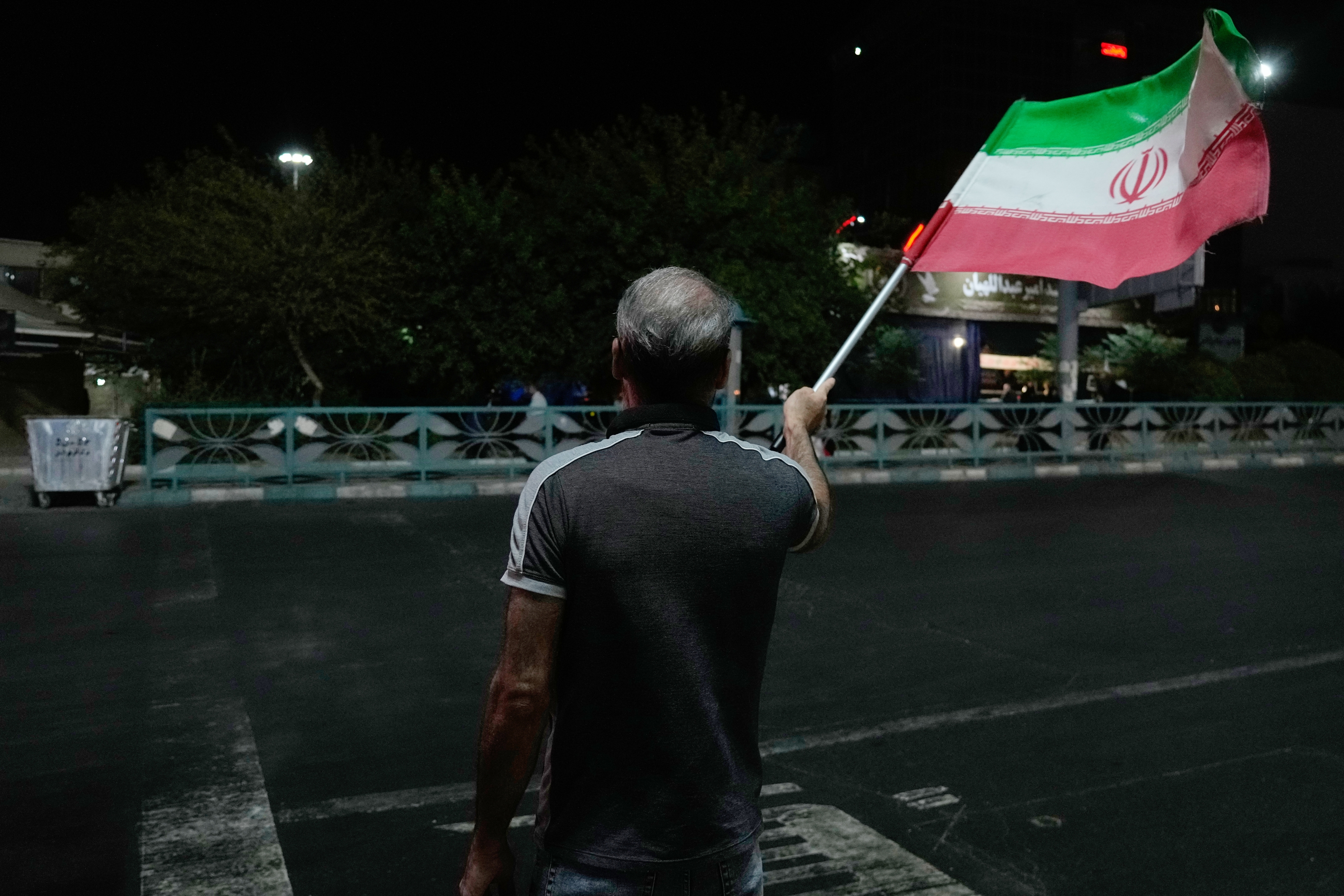
US and Iran exchange military strikes as control of Strait of Hormuz escalates
 Split
Splitworld
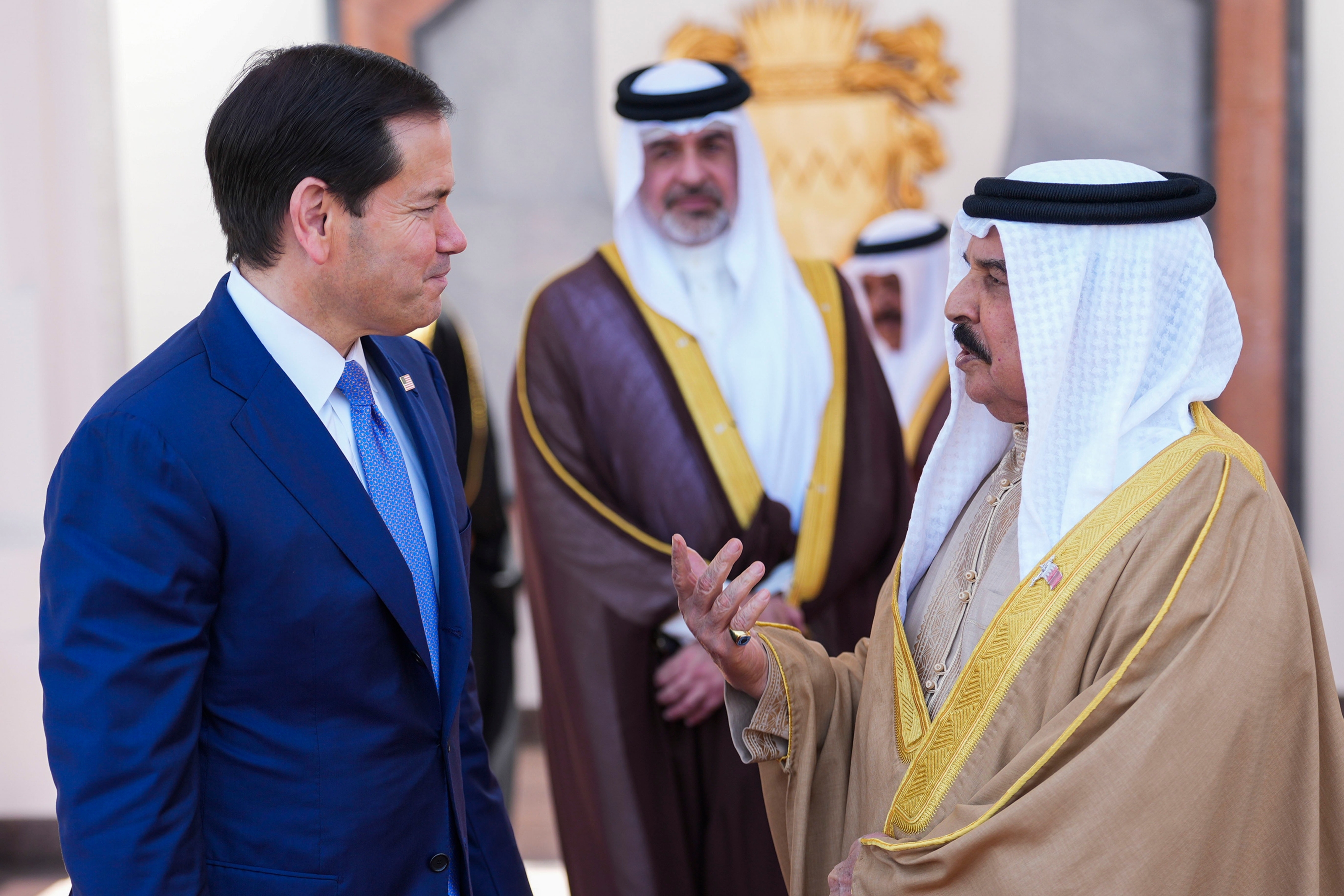
US and Iran agree to halt strikes after tit-for-tat attacks test ceasefire
 Split
Splitworld
US and Iran announce peace framework; formal signing scheduled for Friday

world
Oil markets volatile as U.S.-Iran ceasefire collapse triggers tanker attacks
 Split
Splitworld
US and Iran Begin Nuclear Talks in Switzerland Under New Framework

world